1. Introduction
Dates have been valued for centuries as one of the most nutritious and energy-rich fruits. Known for their natural sweetness, chewy texture, and versatility, they are a staple in Middle Eastern, Mediterranean, and Southeast Asian diets. In Malaysia, kurma madu (Honey Dates) and other premium varieties are widely available in kedai kurma (dates shop), appealing to consumers seeking both taste and health benefits.
Understanding dates fruits nutrition provides insight into why these fruits are often considered “superfoods.” They offer essential vitamins and minerals, along with natural sugars that provide immediate energy, making them an ideal addition to a balanced diet. This article explores the key nutrients in dates, their roles in the body, and how they contribute to overall health and energy.
2. Overview of Dates Fruits Nutrition
Dates are nutrient-dense, meaning they provide a substantial amount of vitamins, minerals, and fiber relative to their calorie content. They are particularly known for:
- Natural sugars: Fructose, glucose, and sucrose, providing quick energy.
- Dietary fiber: Supporting digestion and satiety.
- Micronutrients: Vitamins and minerals essential for body function and health.
The nutrient content can vary slightly based on the variety, growing conditions, and processing. Popular types like kurma madu are prized for their high sweetness and rich nutrient profile.
3. Key Vitamins Found in Dates
3.1 Vitamin A
Vitamin A is a fat-soluble vitamin important for vision, immune function, and cellular growth. Dates contain beta-carotene, a precursor to vitamin A, contributing to eye health and antioxidant defense.
Health benefits of vitamin A in dates:
- Supports healthy vision, especially night vision
- Enhances immune system function
- Protects skin and mucous membranes
3.2 Vitamin K
Vitamin K is essential for blood clotting and bone metabolism. Though not extremely high in dates, the presence of vitamin K contributes to maintaining strong bones and proper clotting mechanisms.
3.3 B Vitamins
Dates are rich in B-complex vitamins, including:
- Vitamin B6 (Pyridoxine) – supports brain function, neurotransmitter synthesis, and metabolism of amino acids.
- Niacin (Vitamin B3) – aids in converting food into energy and supports cardiovascular health.
- Riboflavin (Vitamin B2) – essential for energy production and cellular function.
- Folate (Vitamin B9) – important for DNA synthesis and red blood cell formation.
Health benefits:
- Enhances energy metabolism
- Supports brain and nervous system function
- Promotes healthy red blood cell production
3.4 Vitamin C
Dates contain small amounts of vitamin C, a potent antioxidant that strengthens the immune system, supports skin health, and aids in wound healing.

4. Essential Minerals in Dates
Dates are particularly notable for their rich mineral content, which plays a critical role in maintaining energy levels, bone health, and overall physiological function.
4.1 Potassium
Potassium is one of the most abundant minerals in dates. It helps regulate:
- Fluid balance
- Blood pressure
- Muscle contractions and nerve signaling
Energy and health benefits:
- Maintains heart health and reduces risk of hypertension
- Supports muscular function and prevents cramps during physical activity
- Contributes to overall electrolyte balance, enhancing energy levels
4.2 Magnesium
Magnesium is involved in over 300 enzymatic reactions in the body. Dates provide a good source of magnesium, which helps:
- Relax muscles and support nerve function
- Convert food into energy
- Maintain healthy bones
Magnesium deficiency can lead to fatigue, muscle cramps, and poor energy metabolism.
4.3 Calcium
Calcium is essential for strong bones and teeth. Regular consumption of dates can supplement calcium intake, supporting skeletal health.
4.4 Iron
Iron in dates helps produce hemoglobin, which transports oxygen throughout the body. Adequate iron intake supports:
- Energy production
- Prevention of anemia
- Healthy cognitive function
4.5 Phosphorus
Phosphorus works alongside calcium to maintain bone strength. It also plays a role in energy metabolism by contributing to ATP formation.
4.6 Zinc
Zinc is critical for immune function, wound healing, and cellular metabolism. Dates provide trace amounts, supporting overall wellness.
4.7 Copper and Manganese
Copper contributes to iron metabolism and red blood cell formation, while manganese supports bone development and antioxidant defense.
5. Fiber Content and Digestive Health
Dates are high in dietary fiber, which is beneficial for digestion and energy management.
- Soluble fiber slows sugar absorption, helping to maintain stable energy levels.
- Insoluble fiber promotes healthy bowel movements and prevents constipation.
Consuming dates regularly supports gut health, enhances nutrient absorption, and can contribute to long-term metabolic health.
6. Dates as a Natural Energy Source
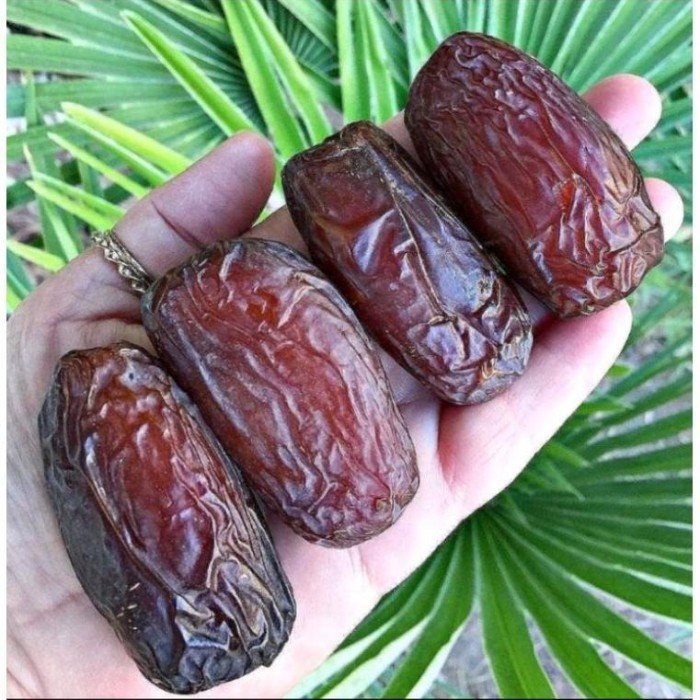
The combination of natural sugars, fiber, and essential minerals makes dates an excellent energy-boosting fruit.
6.1 Immediate Energy
Glucose and fructose in dates provide quick energy, ideal for athletes, students, or anyone needing an instant boost.
6.2 Sustained Energy
Fiber content slows the release of sugars, preventing spikes and crashes in blood glucose levels, offering sustained energy throughout the day.
6.3 Electrolyte Balance
Potassium, magnesium, and calcium help maintain electrolyte balance, critical for muscle function and preventing fatigue during physical activity.
7. Antioxidant and Anti-inflammatory Properties
Dates contain various antioxidants, such as:
- Flavonoids – protect against heart disease and inflammation
- Carotenoids – support eye health and reduce oxidative stress
- Phenolic acids – reduce chronic disease risk
Regular consumption of dates can lower inflammation, support cardiovascular health, and improve overall energy metabolism.
8. Supporting Bone Health
Minerals like calcium, phosphorus, magnesium, and manganese in dates contribute to bone density and strength. Incorporating dates into the diet can reduce the risk of osteoporosis and maintain healthy skeletal structure.
9. Cognitive and Neurological Benefits
Vitamin B6, iron, and antioxidants in dates support brain health:
- Enhancing neurotransmitter production
- Reducing oxidative stress in neural tissues
- Supporting concentration, memory, and mental energy
10. Practical Ways to Incorporate Dates
10.1 Snacking
Dates can be eaten whole as a nutrient-dense snack. They are especially beneficial for pre-workout or post-fast consumption during Ramadan.
10.2 Cooking and Baking
Kurma madu can be used in:
- Smoothies and shakes
- Energy bars and bites
- Date paste for cakes and cookies
10.3 Traditional Recipes
In Malaysia, dates are commonly included in:
- Kuih kurma
- Date-stuffed pastries
- Sweetened porridges and drinks
10.4 Pairing with Nuts
Combining dates with nuts enhances protein intake, providing a balanced energy snack.
10.5 Shopping Considerations
Purchase high-quality dates from trusted kedai kurma to ensure freshness and optimal nutrient content.
11. Choosing the Right Dates
11.1 Types of Nutrient-Rich Dates
- Kurma madu – extremely sweet, high in antioxidants and energy content
- Medjool – soft, large, and rich in fiber
- Deglet Noor – firm and versatile for cooking
11.2 Storage Tips
- Store dates in airtight containers to maintain moisture and prevent spoilage
- Refrigerate for longer shelf life, especially for high-sugar varieties like kurma madu
11.3 Frequency of Consumption
Daily consumption of a few dates provides substantial vitamins, minerals, and energy without overloading calories.

12. Potential Health Benefits Summary
Regular intake of dates contributes to:
- Improved energy levels and sustained stamina
- Cardiovascular support via potassium and magnesium
- Bone strength through calcium, phosphorus, and manganese
- Digestive health via fiber content
- Brain function and cognitive energy with vitamin B6 and iron
- Antioxidant protection and reduced inflammation
Incorporating dates into daily meals can significantly enhance overall health while providing a natural energy boost.
13. Conclusion
Dates fruits nutrition makes them a powerhouse of essential vitamins, minerals, fiber, and natural sugars. Consuming dates, such as kurma madu, offers immediate and sustained energy, supports cardiovascular, bone, and cognitive health, and provides antioxidants that protect against disease.
Whether eaten as a snack, used in cooking, or purchased from a reputable kedai kurma, dates are a versatile, nutrient-dense food suitable for all ages. Their unique combination of sweetness, nutrients, and health benefits makes them an indispensable addition to a balanced diet.